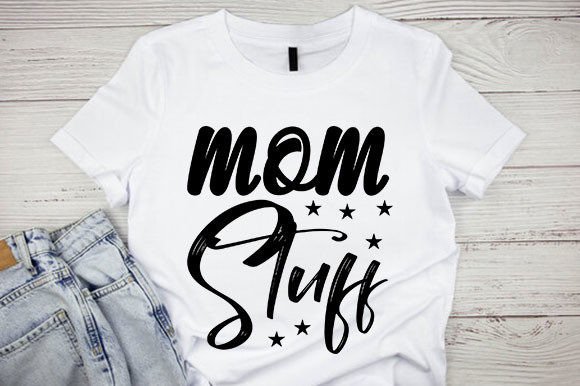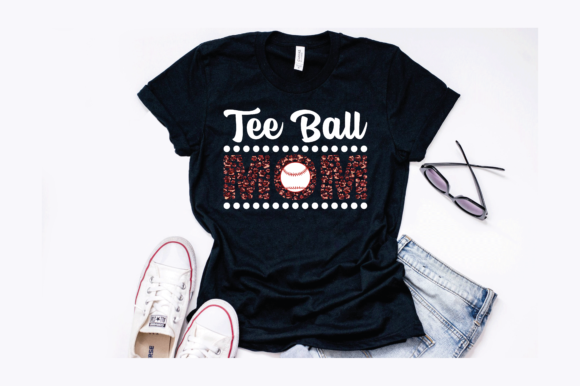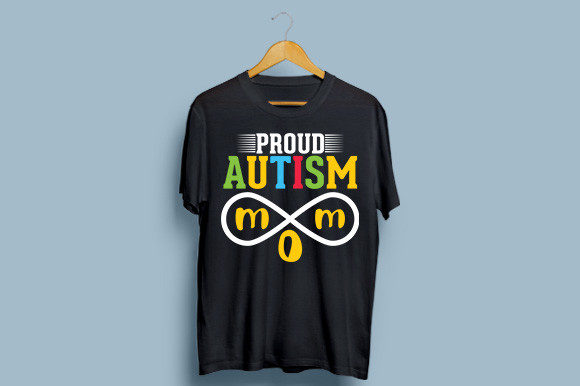
Mom to Be SVG Vector Design Review
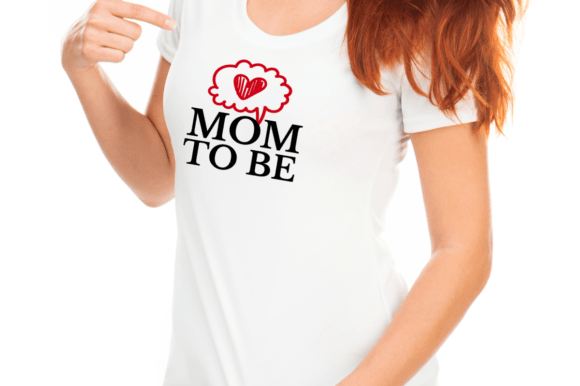
As a designer who spends half her life staring at stitch plots and the other half trying to explain to clients why their logo won’t work on a baseball cap, I approach every new digital asset with a healthy dose of skepticism. We are drowning in clip art. But when I pulled up the Mom to Be SVG Vector Design, I actually stopped scrolling. This isn’t just another generic silhouette; it feels like a piece of graphic design that has been carefully translated for the needle.
I’ve been evaluating this file not just as a static image, but as a potential machine embroidery design. The distinction is critical. A vector looks great on a screen, but does it translate to thread? Can it hold its shape on a curved surface? Will it survive a trip through the wash without puckering or losing definition? Below is my honest breakdown of how this T-Shirt Designs category staple performs in real-world application.
First Impressions and Visual Personality
The immediate appeal of the Mom to Be SVG Vector Design lies in its balance. It avoids the overly cloying aesthetic that plagues so many maternity designs while still clearly communicating the theme. The layout feels open and breathable, which is a huge plus for embroidery. In my experience, cluttered designs often result in "blobby" stitching where individual elements merge into an indistinguishable mass.
This design creates a mood of modern celebration. It’s clean, confident, and versatile enough to fit into a boutique brand’s aesthetic without looking dated. Whether you are creating a personalized gift for a best friend or stocking shelves for your Etsy seller shop, the visual weight of this graphic is substantial enough to command attention but light enough to feel elegant. It screams "handmade product" quality rather than mass-produced factory output.
Real-World Application: Where Does It Shine?
I put this embroidery project through its paces mentally by imagining it on various substrates. Here is where the Mom to Be SVG Vector Design truly excels:
- Custom Apparel: On a high-quality cotton tee or a soft-touch hoodie, this design reads beautifully. The negative space allows the fabric texture to show through, adding depth to the final look. It works particularly well as a chest-left placement or centered on the back of a sweatshirt for a bold statement.
- Baby Embroidery: For those tiny onesies and burp cloths, the clarity of the lines ensures that even small details remain visible. When digitizing this into an applique design or using fine satin stitches, the proportions hold up well, making it perfect for nursery decor or baby shower favors.
- Tote Bag Design: Canvas is a forgiving fabric, but it can be bulky. The structural integrity of this vector means it won’t get lost in the weave. It serves as an excellent embroidered patch style element when placed on a durable tote.
- Holiday Embroidery: While primarily themed for maternity, the neutral elegance allows it to cross over into general gift-giving seasons. It fits seamlessly into a collection of commercial embroidery assets intended for year-round sales.
For the small business owner, this versatility is money in the bank. One core asset can drive multiple product lines, from custom apparel to home goods, maximizing your return on investment for the design purchase.
Technical Considerations and Stitching Clarity
Not all graphics are created equal when converted to thread. The Mom to Be SVG Vector Design presents some specific considerations regarding stitch density and detail level.
Stitch Density: Because this is a vector-based graphic, the initial file likely relies on solid fills or thick outlines. When converting this to a machine-readable format, you must pay close attention to stitch density. If the fill areas are too dense, the fabric will pucker, especially on lightweight knits. However, if treated with lighter fill stitches or a combination of running stitch and satin edge, the design retains its crispness without overwhelming the material.
Thread Colors: The contrast between thread and fabric is paramount. I recommend testing this design in black and white mockups first to ensure the shapes separate clearly. On dark fabrics, a bright or metallic thread palette will make the embroidery file pop, while on light fabrics, softer pastels or navy threads offer a sophisticated, understated look. Avoid low-contrast combinations (like beige thread on cream fabric) unless the design has very strong geometric definition.
Detail Level: While the design is clean, be wary of tiny text or intricate decorative accents if you plan to use a small hoop size. Fine details can disappear if the stitch count is too low. Always inspect small details before committing to a full production run.
Where to Use With Caution
Even the best designs have limitations. There are specific scenarios where the Mom to Be SVG Vector Design might struggle if not handled with care:
- Small Hoop Sizes: If you are working with limited hoop space, complex curves or wide layouts may need to be scaled down significantly. At reduced sizes, thin lines may break or become jagged.
- Textured Fabrics: Bouclé, heavy tweeds, or highly textured weaves can obscure the definition of the design. The best results come from smooth, tight-weave fabrics like jersey, cotton blends, or canvas.
- Stretchy Fabric: While stretchy knits are popular for maternity wear, they require proper stabilizer usage. Without adequate support, the tension of the satin stitch edges can cause the garment to distort.
- Curved Surfaces: Applying this to caps or hats requires careful digitization to account for curvature. Flat-laid vectors do not automatically adapt to 3D forms.
- Frequent Washing: For items that will undergo heavy laundering, such as dish towels or everyday tees, ensure the design uses appropriate underlay stitches to prevent shifting over time.
Practical Designer Notes for Success
Before you upload this file to your machine or send it to a print-on-demand partner, follow these professional guidelines to ensure a high-quality finished product:
- Test on Scrap Fabric: Never assume a design will work perfectly on the final item. Run a test stitch-out on the exact fabric type you intend to use. This reveals issues with tension, thread breaks, or stabilization needs.
- Check Stabilizer Compatibility: Match your stabilizer to the fabric weight. A heavy cut-away stabilizer is needed for knits, while a tear-away might suffice for wovens. Proper stabilization is the difference between a professional finish and a puckered mess.
- Review Licensing: As a digital product seller or craft business owner, you must confirm whether the license permits commercial use of finished goods. Some design assets are restricted to personal use only. Verify this before listing items on Etsy or selling at craft fairs.
- Inspect Small Details: Zoom in on the vector paths. Are there any overlapping nodes or unnecessary anchor points that could cause erratic stitching behavior? Clean up the path if necessary before digitizing.
- Compare Backgrounds: Test the design against both light and dark backgrounds. Sometimes a color scheme that looks vibrant on one background appears muddy on another.
Final Verdict
The Mom to Be SVG Vector Design is a robust, visually appealing asset that bridges the gap between graphic design and textile art effectively. It offers the kind of clarity and emotional resonance that drives engagement for Etsy listings and builds trust with customers looking for handmade presentation quality.
It is not a magic bullet that fixes poor digitization or bad fabric choices, but as a foundational graphic, it provides a strong platform for creativity. For the creative entrepreneur looking to expand their catalog of Graphics and T-Shirt Designs, this file is a practical, stylish addition that promises high perceived value in the final product. Just remember: the design is only as good as the execution. Take your time, prep your materials, and let the quality of your work speak for itself.